


Understanding the Casino Environment
Every great casino tells a story through its design. Long before a player presses a button on a slot machine or places a bet, they are already immersed in the subtle choreography of light and sound. The hum of machines, rhythmic clinking, the soft conversations in the background—it’s all part of the psychology. A well-designed casino isn’t built just for games, it’s built to hold attention, stir emotion, and make people stay just a little longer than they planned.
Even online platforms mirror this philosophy. Visit neospinpokies.com for instance, and you’ll see how digital design borrows heavily from traditional casinos. Every visual cue there—the tones, the buttons, even the background music—is part of a digital translation of the classic casino environment. You could almost feel like you’re walking through a virtual gaming hall.
Sound, Light, and Flow in Casino Design
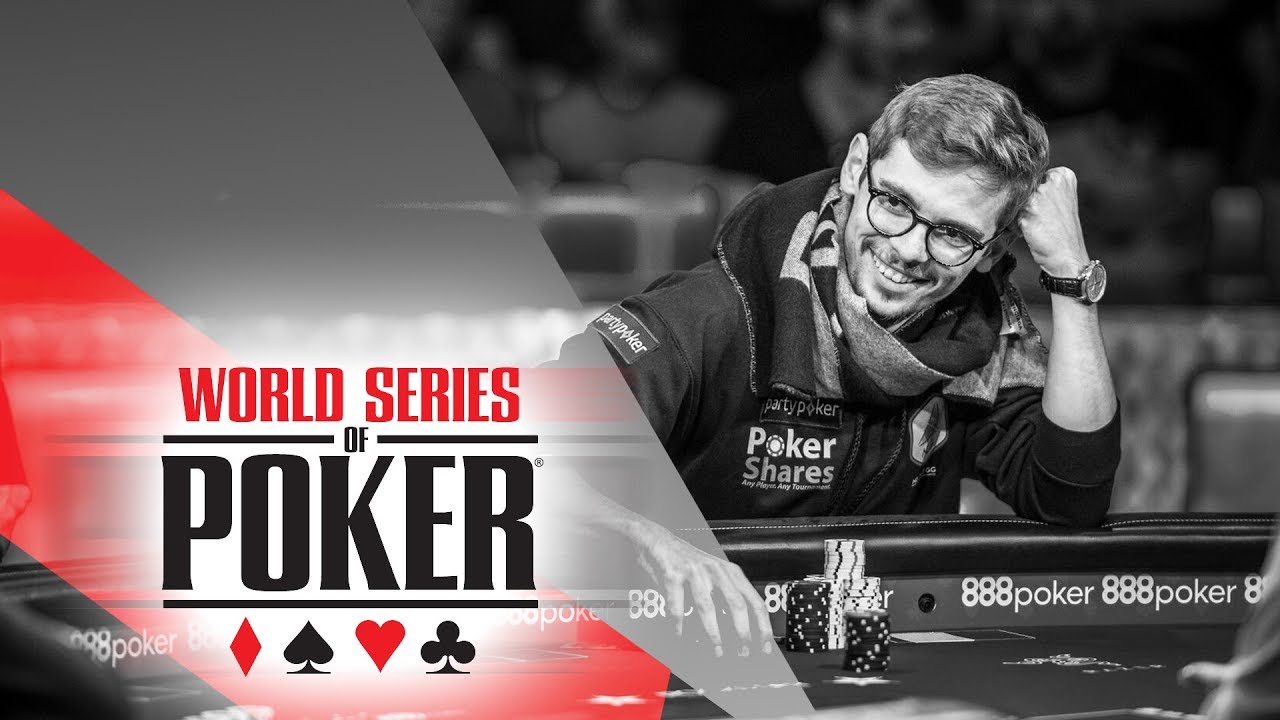
Sound, light, and spatial flow form the invisible architecture of great casino design. Casinos intentionally use layered lighting and sound patterns to craft moods that lean toward excitement and comfort. The music tempo subtly increases during peak hours; lower illumination around poker tables invites slower, deeper engagement. Every corner holds intent.
Players might not realize it, but each tune, whisper, and glimmer of light is part of a finely tuned ecosystem built to evoke anticipation.
Some interesting strategies used by top casino designers include:
- Using circular layouts to keep players flowing naturally through gaming areas.
- Layering reflective surfaces to multiply light sources and visual energy.
- Controlling acoustics through soft carpets and curved ceilings.
Parallel in Online Spaces
The transition to online gambling has not stripped away that artistry. Instead, it’s refined it. Designers of online casinos understand that the player’s screen is their entire world. Colors, transitions, and even loading sounds matter. Instead of real hallways, you have digital menus. Instead of tactile chips, there’s the soft click of virtual spins. You can almost call this new discipline “digital atmosphere design”.
Let’s compare offline and online design strategies more clearly.
| Aspect | Physical Casino | Online Casino |
|---|---|---|
| Lighting | Dimmed to create continuity and rhythm | Animated colors emulate mood changes |
| Sound | Background music syncs with room energy | Audio cues trigger excitement after wins |
| Navigation | Pathways guide exploration unconsciously | Interactive menus guide player journeys |
The sense of flow isn’t lost online, it’s simply reimagined through interface rhythm and sound timing.
Emotional Architecture
The casino as an emotional landscape might sound poetic, yet that’s what it is. Emotions drive action, and everything—from color palettes to pitch of sound—affects them. For online casinos, the challenge lies in creating emotion without the physical presence. So, what can they do?
- Design intuitive navigation that feels effortless.
- Offer instant feedback—visual or sonic—on every click.
- Integrate social elements like chat or ranking to emulate shared human energy.
- Use storytelling within games to add emotional context.
- Make reward systems responsive and immediate.
Imagine clicking on a slot and hearing that winning sound. The moment feels real, doesn’t it? That’s the subtle magic of sensory simulation. It’s not just about winning, it’s about how winning feels. This phenomenon extends beyond design—it’s part psychology, part art. One could even say, it’s like painting with invisible ink that glows only when touched by human attention.
Details That Shape Experience

Great design hides in details. You may not notice the color changes on an online casino’s spin button as your credits decrease, or how subtle animations keep your eyes fixed on the prize. But those micro-experiences, conducted with quiet precision, make all the difference.
To be true, the most memorable casino designs are often the ones that disappear behind the experience—they let the game, not the graphics, take the spotlight.
Let’s see another miniature snapshot comparing two vital areas:
| Feature | Player Impact |
|---|---|
| Color Transitions | Encourages continuous focus, reduces fatigue |
| Realistic Sound Layers (tooltip) | Promotes sensory immersion, mimics physical presence |
| Reward Animations | Reinforces emotional connection with success |
These smaller touches might seem insignificant, yet they accumulate into trust. Trust that the system works smoothly, that every action has weight. That’s how casinos, even digital ones, build long-lasting engagement. Players don’t return just for jackpots. They return for the feeling of belonging to a living, breathing rhythm of play.
Conclusion
Designing a casino—virtual or physical—is not about creating spectacle; it’s about creating continuity and flow. The art lies in seamlessness, where sensations blend and attention never breaks. The real designers behind great gaming spaces are composers of emotion. They write symphonies of color, brightness, and sound.
In the end, the art of casino design is a dance between control and freedom. The player believes they wander at will, yet every step is subtly guided by invisible design choices. The greatest compliment a casino designer can receive is silence—the player doesn’t notice the craft. They only feel the thrill, the safety, the rush of possibility. And maybe that’s the most beautiful illusion of all.